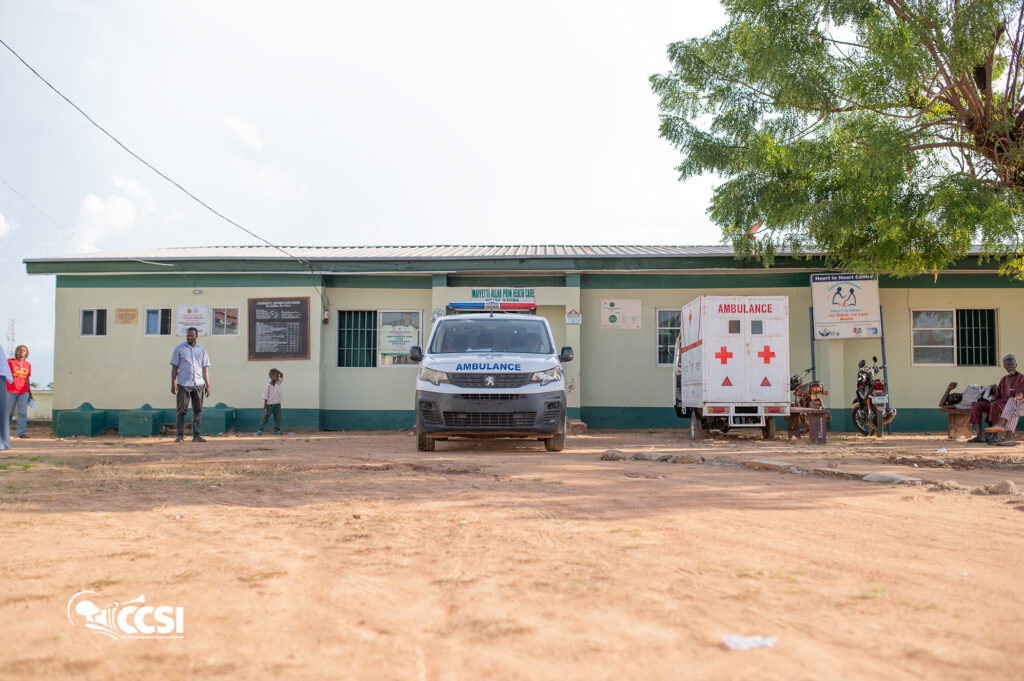
Nigeria’s primary healthcare system is on an upward trajectory, driven by the National Primary Health Care Development Agency (NPHCDA)’s ambitious programme to revitalize 17,600 Primary Health Care (PHC) facilities nationwide. So far, more than 1,000 facilities have been fully revitalized and equipped with the infrastructure, commodities, and personnel required to deliver quality, affordable, and accessible healthcare services to Nigerians.
This transformation is already reshaping healthcare delivery at the grassroots. Improved PHCs now offer enhanced maternal healthcare services, including antenatal care, 24-hour delivery services, routine immunisation, and sexual and reproductive health services. Yet, despite these gains, a critical challenge persists: an information gap that limits access to these services by the very communities they are designed to serve.
Across many communities, awareness of improved PHC services remains low. Years of exposure to dilapidated facilities, weak information dissemination, and a long-standing distrust of government-owned healthcare institutions have made citizens slow to engage with renewed PHCs. As a result, some residents remain unaware that health centres in their neighbourhoods have been renovated, that new maternal health programmes are available, or that vaccination campaigns have been introduced to protect their families.
While the NPHCDA has been implementing life-saving reforms, these efforts often remain invisible to the public. This communication gap emerged as a major barrier to the uptake of primary healthcare services and raised a fundamental question: how can citizens trust and use a healthcare system they know little about?
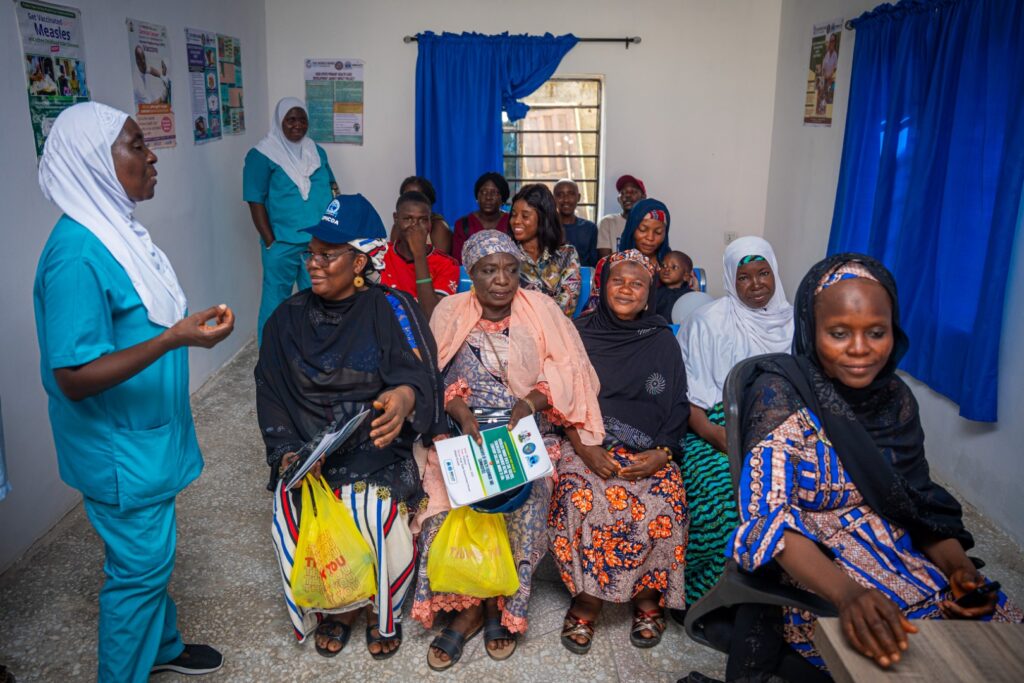
Understanding the Information Gap Through Data
The journey toward bridging this gap began with research and social listening conducted across digital platforms, traditional media, and community channels. The findings revealed a striking reality. Although 80 per cent of healthcare-related conversations carried neutral sentiment, positive narratives highlighting innovations and improvements within primary healthcare were limited and under-amplified.
“We realised that incredible work was happening, with 1,295 PHCs renovated across the country, but stories of progress were not reaching the people who needed to hear them most,” said Ayomide Ladipo, who led the research and listening work at the Centre for Communication and Social Impact (CCSI).
Armed with these insights, a comprehensive communications strategy took shape—one that moved away from generic messaging toward targeted, evidence-based storytelling designed to resonate across Nigeria’s diverse cultural and social landscape.
Telling the Story Through the Voices That Matter
CCSI recognised that the most powerful narratives would come not from institutions alone, but from healthcare workers and community members themselves. In response, three short documentaries were produced, spotlighting frontline health workers, facility transformations, and citizen testimonials from different regions of the country.
One such documentary, Whispers of Hope, features Dr. Muhammed Dilli of Katanga PHC in Warji Local Government Area of Bauchi State. He recounts how, prior to the renovation, the facility attended to just 15 to 20 patients daily. Today, that number has risen to over 100 patients each day.
“People no longer go to the General Hospital; they prefer to come here,” Dr. Dilli explains. “Even the local government committed itself because of this renovation—they added a new block to our facility.”
These real-life testimonies were amplified through strategic social media campaigns, allowing Nigerians across the country to see and hear tangible evidence of progress within their communities.
The results were compelling. Between July and September 2025, 5.9 million Nigerians engaged with primary healthcare content, representing a 44 per cent increase from the previous quarter. In September alone, social media reach climbed to 1.3 million, a 147 per cent increase from the previous month—underscoring the power of targeted storytelling to drive public engagement.
Meeting People Where They Are
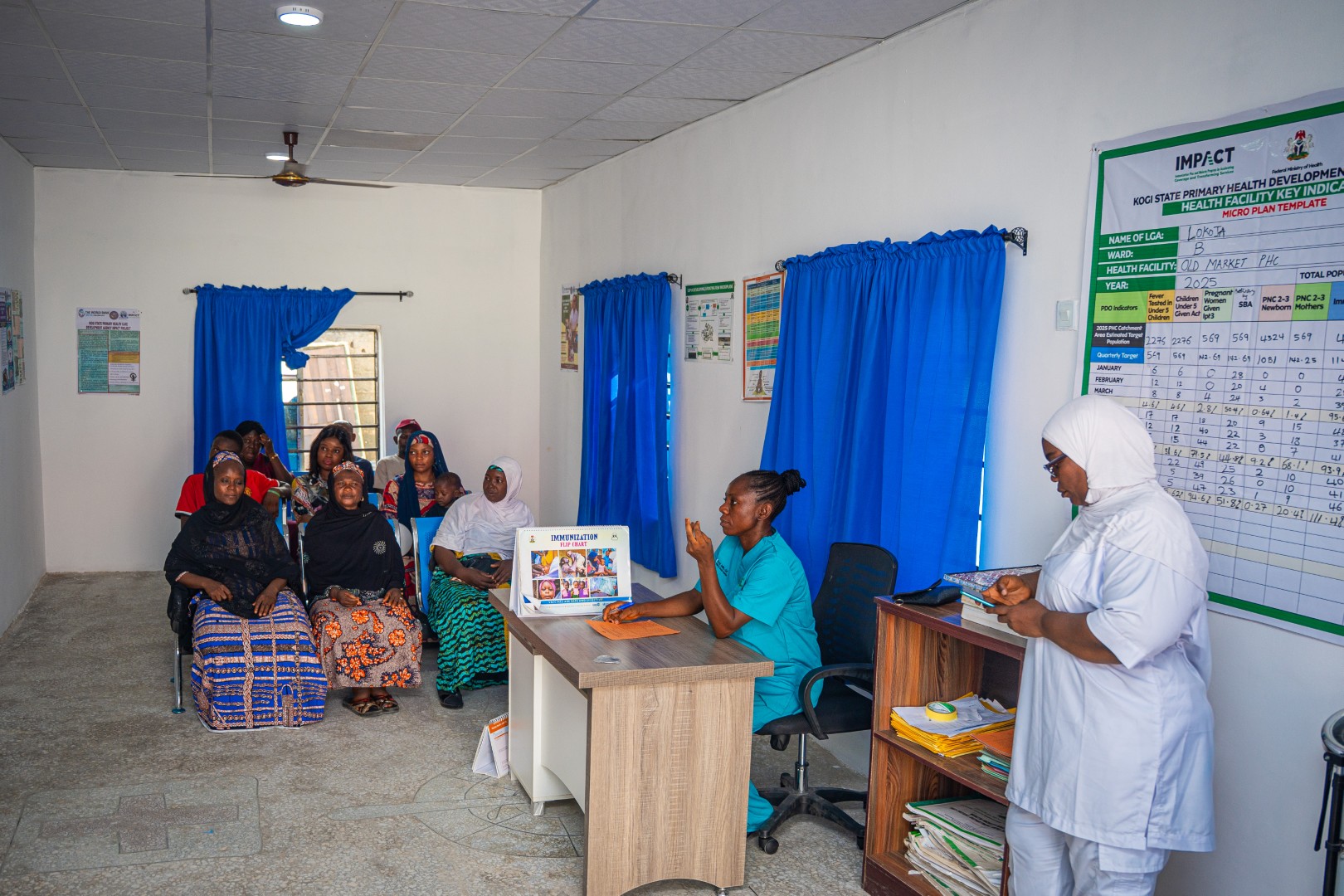
“The transformation goes beyond simply sharing information,” said Babafunke Fagbemi, Executive Director of CCSI. “The key is meeting people where they already are—whether that’s on social media, listening to the radio, attending a town hall meeting, or engaging with trusted community leaders.”
She added: “When a PHC is renovated in Ondo, Gombe, or Enugu, communities need to know and take ownership of those facilities. When maternal health commodities reach remote areas, families must understand how to access them. And when vaccination campaigns are launched, parents need culturally relevant information that addresses their concerns.”
This approach has also strengthened NPHCDA’s internal and external communications systems. Dr. Ladan Aliyu, Director of Advocacy, Communications and Social Mobilisation at NPHCDA, acknowledged the impact of the partnership.
“CCSI has supported the amplification of the agency’s activities within a short period,” he said. “The communications audit provided direction on reshaping our internal communications leadership and improving staff engagement. The NPHCDA website has also been revamped and is now more user-friendly. The next phase of the partnership will focus on strengthening programme communications.”
A Dashboard for Transparency and Trust
Another major milestone in bridging the information gap is the launch of the PHC Facility Dashboard—a publicly accessible platform providing real-time data on 26,000 primary healthcare facilities across Nigeria.
This innovation marks a significant shift toward transparency and accountability. For the first time, citizens can search for their local health centres, view available services, and track improvements in their communities. No longer do they have to rely on assumptions or outdated perceptions—the information is now at their fingertips.
What began as research and social listening has evolved into a growing engagement ecosystem, reinforcing the principle that access to healthcare information is a fundamental right.
Sustaining the Momentum
As Nigeria continues its journey toward universal health coverage, effective communication remains a critical pillar of success. The NPHCDA’s reforms must not only be implemented but also seen, understood, and trusted by the people they are meant to serve.
CCSI is proud to partner with NPHCDA on this journey and remains committed to ensuring that every facility revitalisation, programme launch, and policy update is accompanied by communication strategies that reach citizens clearly, credibly, and consistently—because healthcare transformation is only complete when communities are informed, engaged, and empowered.