This was the driving principle behind the Human-Centred Design (HCD) process embedded in the Community Bundle Innovation Project (ComBIP), led by the Centre for Communications and Social Impact (CCSI) under the consortium coordinated by ACEPHAP, as well as IVAN Group and KRIC.
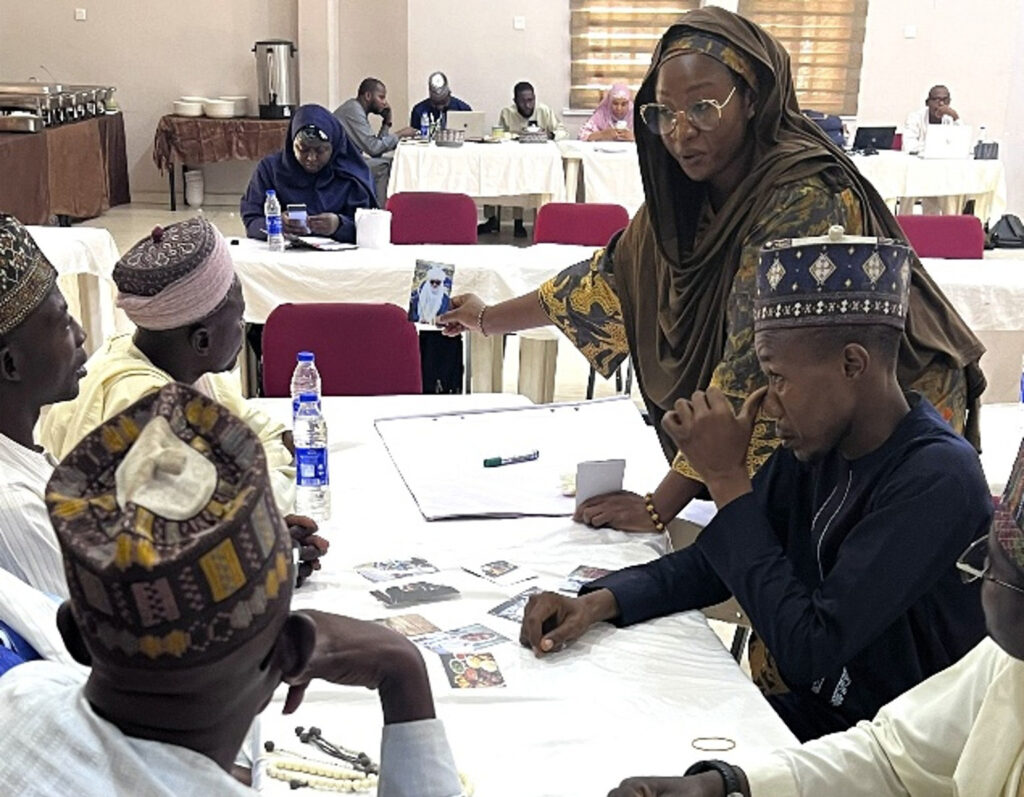
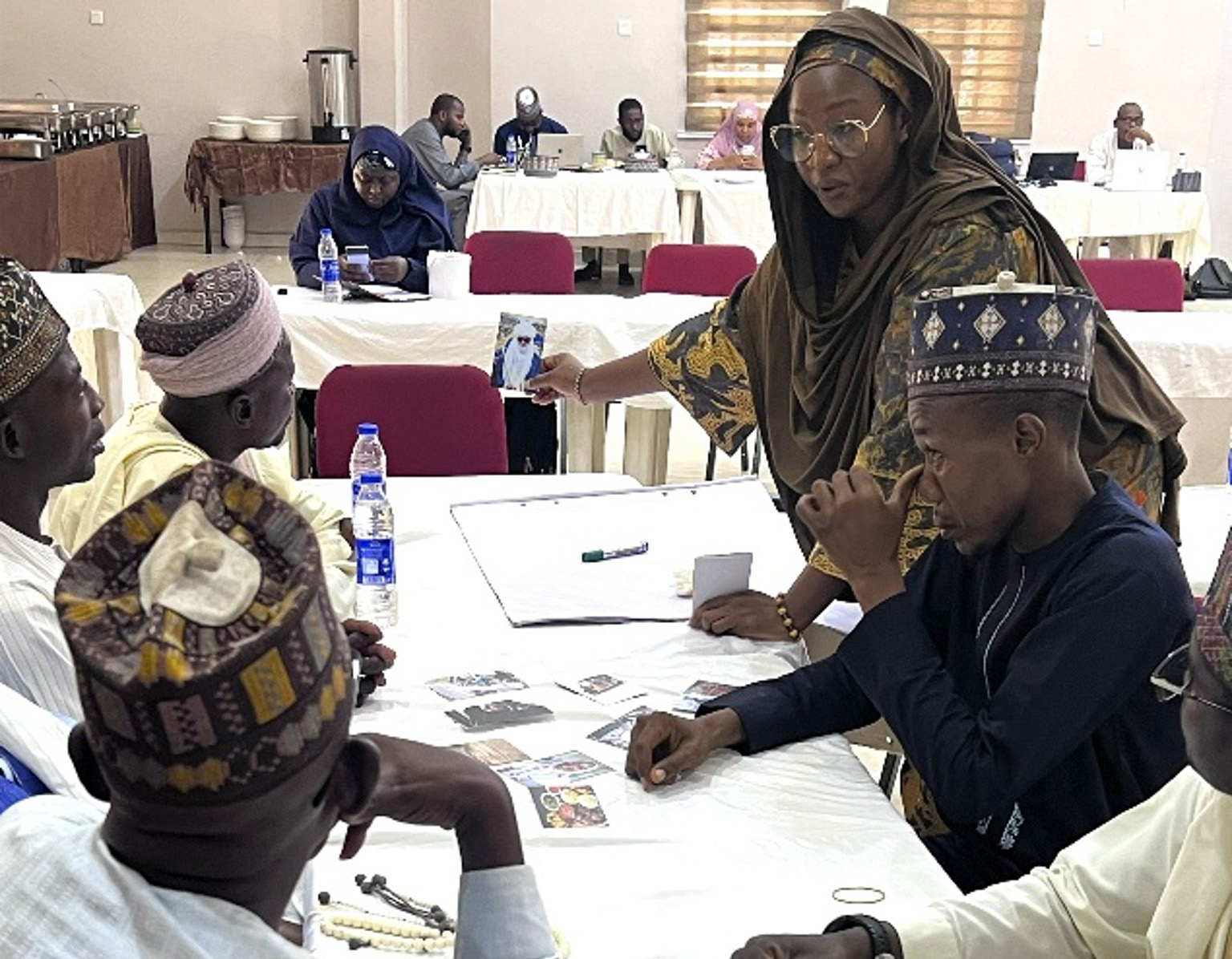
The HCD journey began with community immersions in Bodinga, Jega, and Aliero Local Government Areas of Sokoto and Kebbi States, where card-sorting exercises and observational activities helped residents identify the cultural, social, and practical factors influencing safe delivery practices. These insights informed a co-creation workshop in May 2026, which brought together over 40 stakeholders, including women of reproductive age, husbands, mothers-in-law, traditional birth attendants, health workers, and community leaders, to jointly design solutions for improving maternal health outcomes.
One of the most significant findings from the process was that home delivery is not simply a temporary preference, but a deeply rooted social norm shaped by cultural, social, and practical realities. This insight prompted a shift in the project’s approach from focusing solely on increasing facility-based deliveries to designing interventions that support safer home deliveries while strengthening linkages to the formal health system. During the workshop, a community leader from Bodinga noted:
“”Involve Hakkimmai (community leaders) when the project is to start at the community level for more acceptance and sustainability.”” — Babafunke Fagbemi, Executive Director, CCSI
Through picture cards, storytelling, drawing exercises, journey mapping, persona profiling, emoji voting, and Hausa-language facilitation, participants were able to actively contribute regardless of literacy level. These participatory methods ensured that community members were not merely consulted but were directly involved in shaping solutions that reflected their lived experiences. The process generated valuable insights that traditional research approaches might not have uncovered, as community members helped identify locally acceptable approaches, communication styles, and service-delivery considerations that could improve the relevance and acceptability of the intervention.
One of the insights that came from this process was that husbands should not be considered a secondary audience; rather, they should be part of the primary audience, as any decision during pregnancy is made by him. Another insight was during group assignments. While each group was assigned to develop messages not only for their own audience but also for an additional one, drawing on their own empathy-based insights, the pregnant women’s group wrote messages for pregnant women and for health workers; the men’s group wrote messages for husbands and for community leaders; and the mothers-in-law group wrote messages for mothers-in-law and for traditional birth attendants (TBAs).
The community members who participated in the workshop from the onset made their expectations very clear. First, they requested that the local leaders’ evidence must be acknowledged, and secondly, they required integrity and accountability for the delivery bundle distribution. These, according to them, were the community’s expectations from the very start.
By the end of the workshops, participants had helped develop a practical delivery model grounded in local experiences, values, and priorities. More importantly, the process fostered a sense of ownership among community members, increasing the likelihood that the intervention will be trusted, adopted, and sustained over time.