In many culturally rooted communities in northern Nigeria, women’s use of reproductive health services is often influenced by their husbands’ support, as well as prevailing cultural and religious beliefs.
The Faith and Cultural Champions (FCC) Project, funded by the Gates Foundation and managed by the Centre for Communication and Social Impact (CCSI), is helping address these barriers by working through trusted faith and cultural leaders to promote healthy behaviours.
In Kaduna and Kano States, the project has reached more than 284,300 people with messages on child spacing and maternal, newborn and child health.
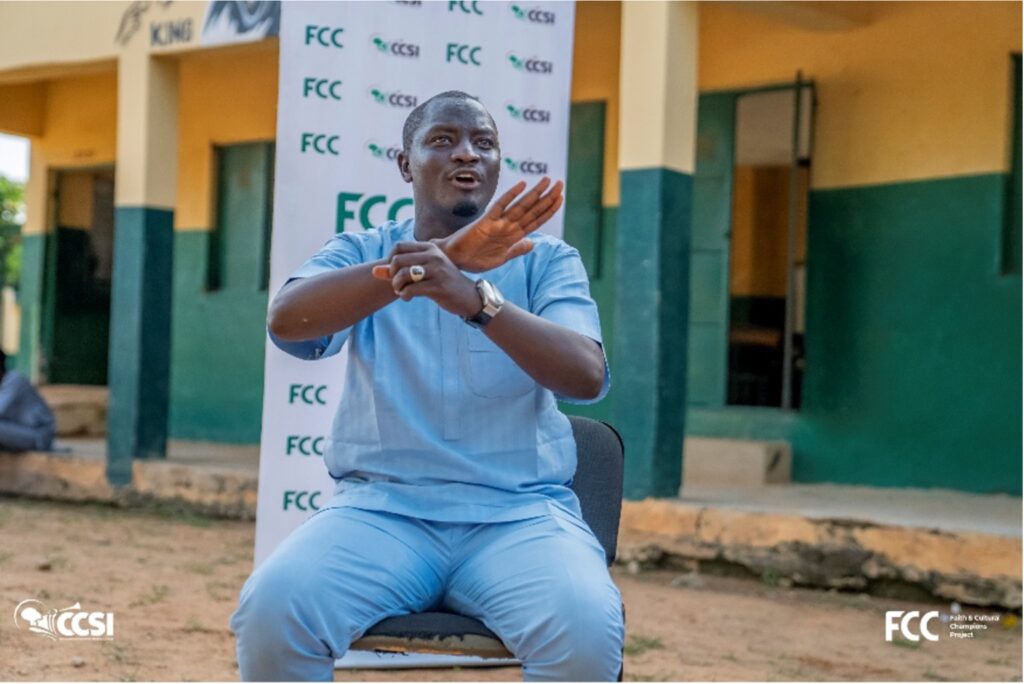
Muhammad, who is hearing impaired is one of the many men reached through the project in Kano State. For him, one community engagement session changed how he supported his wife during pregnancy.
Before attending the session, organized through the National Association of the Deaf (NNAD), Muhammad did not believe antenatal care (ANC) was necessary. When his wife became pregnant, he assumed she could go through pregnancy safely without routine medical care.
Through its relationship with the Deaf Community Men’s Group, NNAD mobilized men with hearing impairment for an FCC Community Engagement Session in Dan Agundi Ward, Kano Municipal LGA, in April 2026.
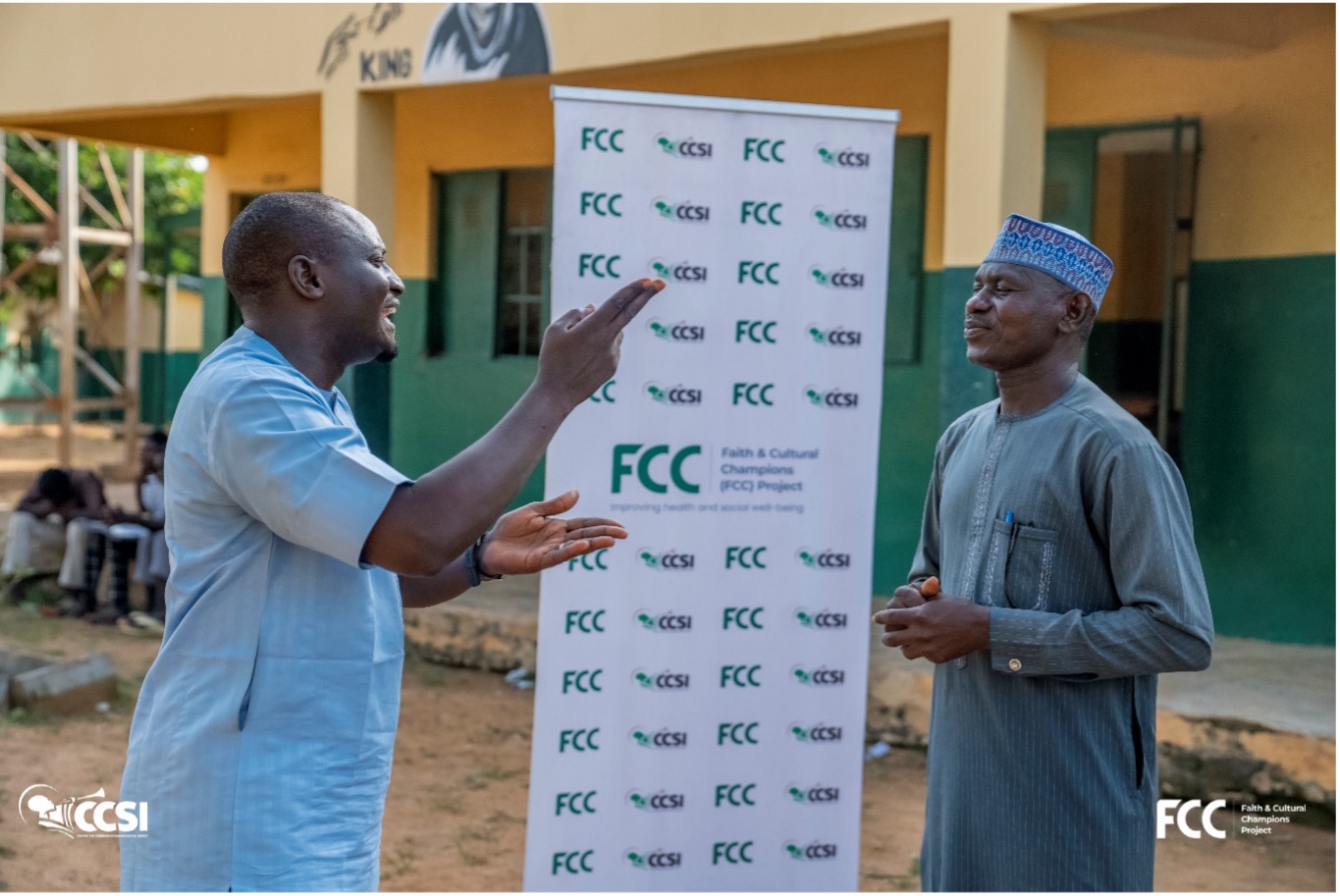
The session brought together 20 men with hearing impairment to discuss ANC, facility-based delivery and child spacing. A nurse led the health discussion, while an Islamic cleric emphasized husbands’ responsibility to care for and support their wives during pregnancy.
Afterward, Muhammad changed his approach. He encouraged and accompanied his wife to routine ANC visits, supported her to follow health workers’ advice, and prepared along with her for a facility-based delivery.
In June 2026, his wife safely delivered a healthy baby girl.
Reflecting on his experience, Muhammad shared:
“Before attending the FCC session, I never believed ANC was important. The knowledge I received completely changed my thinking. Supporting my wife throughout pregnancy gave us confidence that we were making the right decisions for her health and our baby’s wellbeing. I sincerely appreciate the FCC Project for bringing this life-changing intervention to the Deaf community.”
Today, he shares his experience with other men in the Deaf community, encouraging them to support their wives during pregnancy, attend ANC visits and prepare for safe delivery at a health facility.