What Happens After the Summit?
The lights go down. The applause fades. Delegates pack their bags, exchange final contacts and begin the journey home.
But what happens to the ideas?
That was the question that mattered for Nigerian practitioners returning from the 2026 International SBCC Summit in Panama.
They had returned with new ideas about trust, storytelling, human-centred design, evidence, technology and community engagement. But ideas alone do not change programmes or people’s lives.
The real challenge became “how do we turn what was learned in Panama into what could be done differently in Nigeria?”
That conversation is what CCSI brought home. As co-chair of the international Summit, CCSI recognized the depth of insight and learning shared throughout the event. To sustain momentum and ensure that the value of the Summit extends beyond those who attended in person, CCSI convened a post-SBCC Summit event in Nigeria on September 1, 2026.
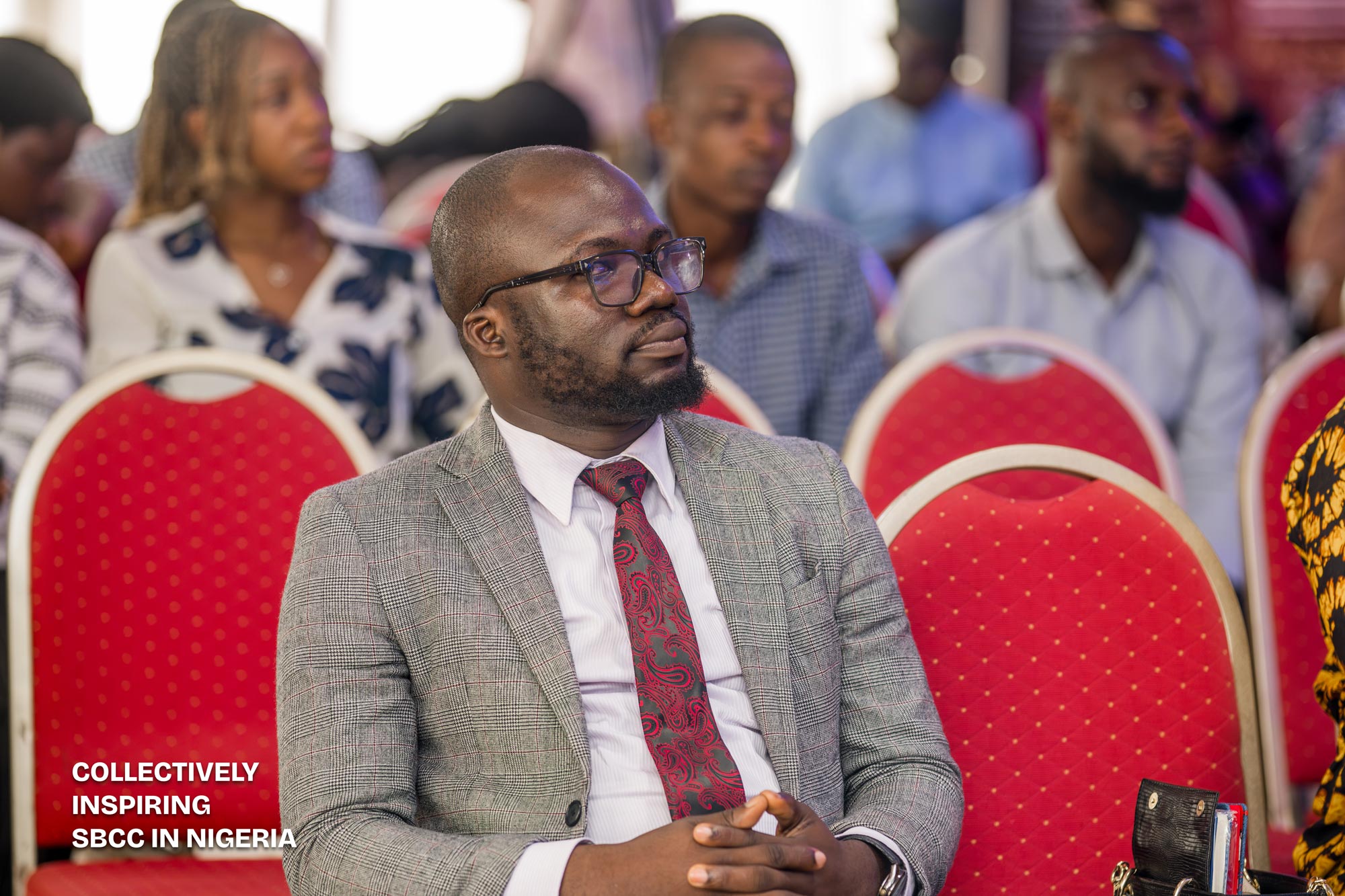
151 people, comprising 66 in-person and 85 virtual participants from government, civil society, public health and development practitioners, converged in Abuja to chart the way forward in the post-SBCC Summit event themed “Collectively Inspiring SBCC in Nigeria.” It wasn’t a report-back. The event kicked off with participants reminiscing and sharing insights about the Panama experience, allowing delegates who missed the trip to catch up with the lessons before proceeding to what those lessons actually meant for Nigeria.
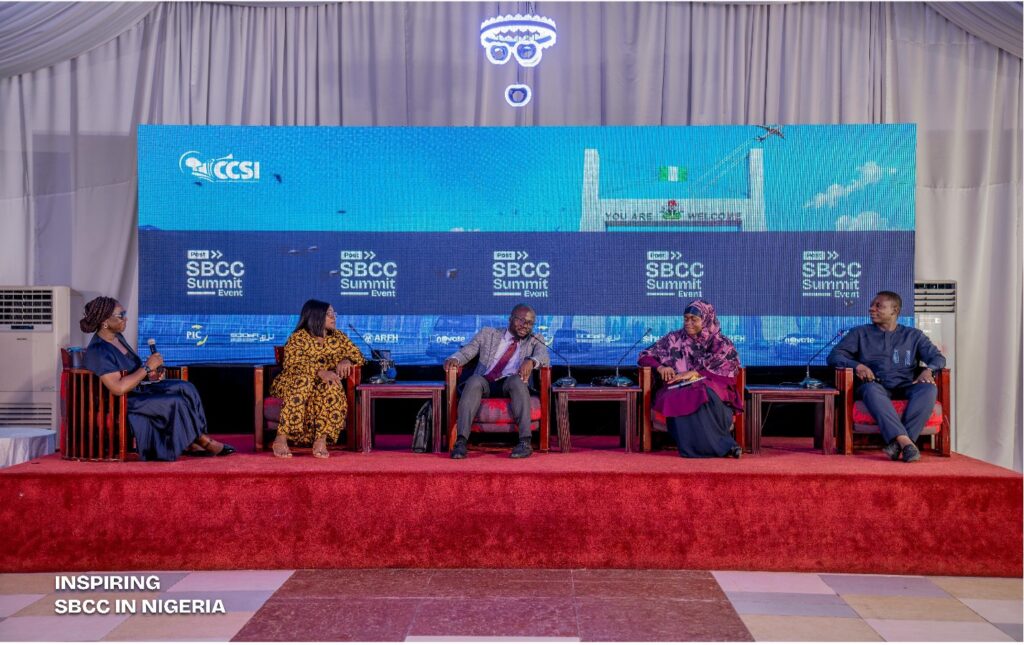
Through the lightning talks and panel sessions, speakers and panelists from organizations in the development sector shared insights on moving the needle forward in Nigeria’s SBCC ecosystem.
During the Lightning Talk session, Wame Jalo, Executive Director, Shuga Global, reflected on the role of storytelling in engaging young people, drawing from Shuga Global’s long-standing use of entertainment education and storytelling to influence health behaviours. In her presentation, “Sugar and Spice and Everything Not So Nice,” she emphasized the importance of understanding audiences, creating accessible content, and maintaining an authentic connection with people’s lived experiences. “The question is not simply how many people viewed a piece of content, but what changed as a result.”
Emmanuel Nwala, Associate Director, Research, Policy Innovation Centre, described the growing use of digital tools and AI in SBCC as a welcome innovation, while cautioning practitioners against allowing AI to replace human-centred design. “As we all implement our programs, there is a need to start talking about domesticating AI tools and ensuring that it does not infringe on people’s rights.”
Reinforcing this point, Roselyn Ode, Associate Director, SFH-RMNCAH, stressed the importance of meaningful community engagement. “We must engage communities as active participants and co-owners because they hold valuable knowledge.”
For Temidayo Ibitoye, Founder and Executive Director, Dinovate, the focus was on allowing beneficiaries to tell their own stories. Reflecting on the “Boys in Growth” project in Ghana, a participatory storytelling initiative where boys were given cameras to document their experiences without being handed a predetermined message, he noted: “As those boys told their stories, their perspective started to shift. Not because someone told them to change, but because the act of telling their own story showed them something that they hadn’t seen before. That’s the difference.”
The panel session, “Translating Learning into Action,” featured Halima Buba (SCIDaR), Samson Odukogbe (ARFH), Foyeke Oyedokun-Adebagbo (Population Council), and Bako Kantiok (CCSI). The panel explored what a collectively inspiring SBCC ecosystem could look like in Nigeria, the opportunities and challenges for SBCC programming, how the sector can be better institutionalized, and opportunities for stronger collaboration among SBCC actors.
A key theme that emerged was the need for a “connected ecosystem” to sustain community interventions. Samson Odukogbe of ARFH encouraged SBCC practitioners to leverage the growing influence of content creators already contributing to behaviour change in Nigeria. “Our content creators are making moves. They are changing behaviors even beyond the ones that we are doing in the community. So, we need to leverage on this existing structure so we can make that impact and the change we want to see in our community.”
Through online polls and the questions and answer sessions, participants had the opportunity to join the conversations.
As the post-SBCC Summit conversation in Nigeria made clear, the ideas from Panama will only go as far as the connections between the people who carry them. The post-SBCC Summit created space to turn those ideas into conversations about collaboration, adaptation, and action.
Because the true measure of a summit is not what happens when the lights are on, but what continues after they go out.