Across communities in Nigeria, women continue to carry the weight of families, drive local economies, nurture future generations, and sustain social structures often against the odds.
Yet, despite their indispensable role in society, many women still navigate deeply rooted social and cultural barriers that limit their access to opportunities, leadership, and economic empowerment. Empowering women with the right knowledge, skills, and support systems is therefore essential to building inclusive communities and driving lasting social change.
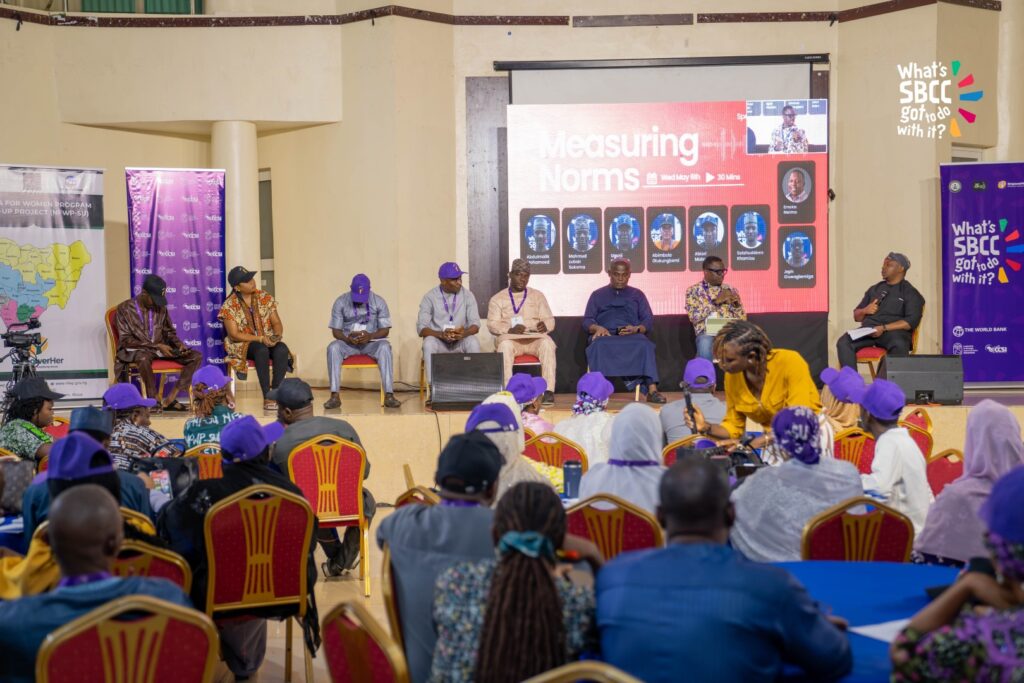
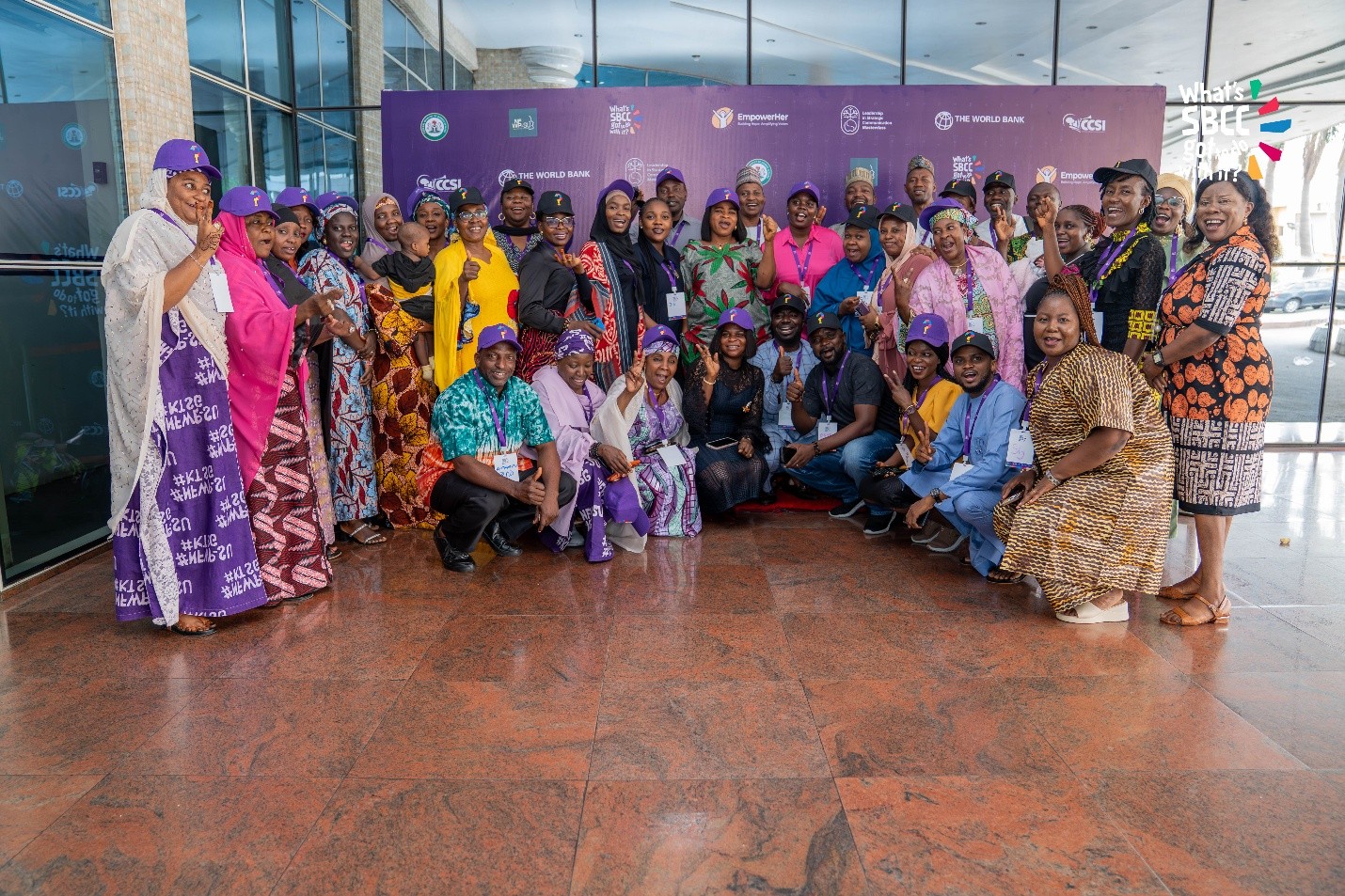
Against this backdrop, the Centre for Communication and Social Impact (CCSI) with support from the Federal Government of Nigeria and the World Bank recently facilitated a transformative Leadership in Strategic Communication Masterclass themed “What’s SBCC got to do with it?” for members of the Nigeria for Women Project – Scale Up (NFWP-SU). The four-day intensive programme equipped participants with practical knowledge and skills in Social and Behaviour Change Communication (SBCC), social norms transformation, leadership, and strategic communication to strengthen implementation of the project across participating states.
The Nigeria for Women Project – Scale Up, a strategic partnership between the Federal Government of Nigeria and the World Bank, plays a significant role in advancing gender equality and women’s economic empowerment across the country. While the project has recorded notable successes through livelihood support and the establishment of Women’s Affinity Groups (WAGs), deeply rooted social and gender norms continue to shape women’s access to opportunities, decision-making, leadership, and economic participation. Recognizing that sustainable change requires more than programme delivery, the masterclass sought to strengthen the capacity of those leading implementation at both the Federal and State levels.
Beyond strengthening technical knowledge, the four-day masterclass fundamentally reshaped how participants approached leadership, communication, and behaviour change programming. Through a carefully structured learning journey, participants moved from personal reflection to practical action, first examining their own values, leadership styles, and biases before exploring how to design and implement community-centred interventions capable of shifting harmful social norms.
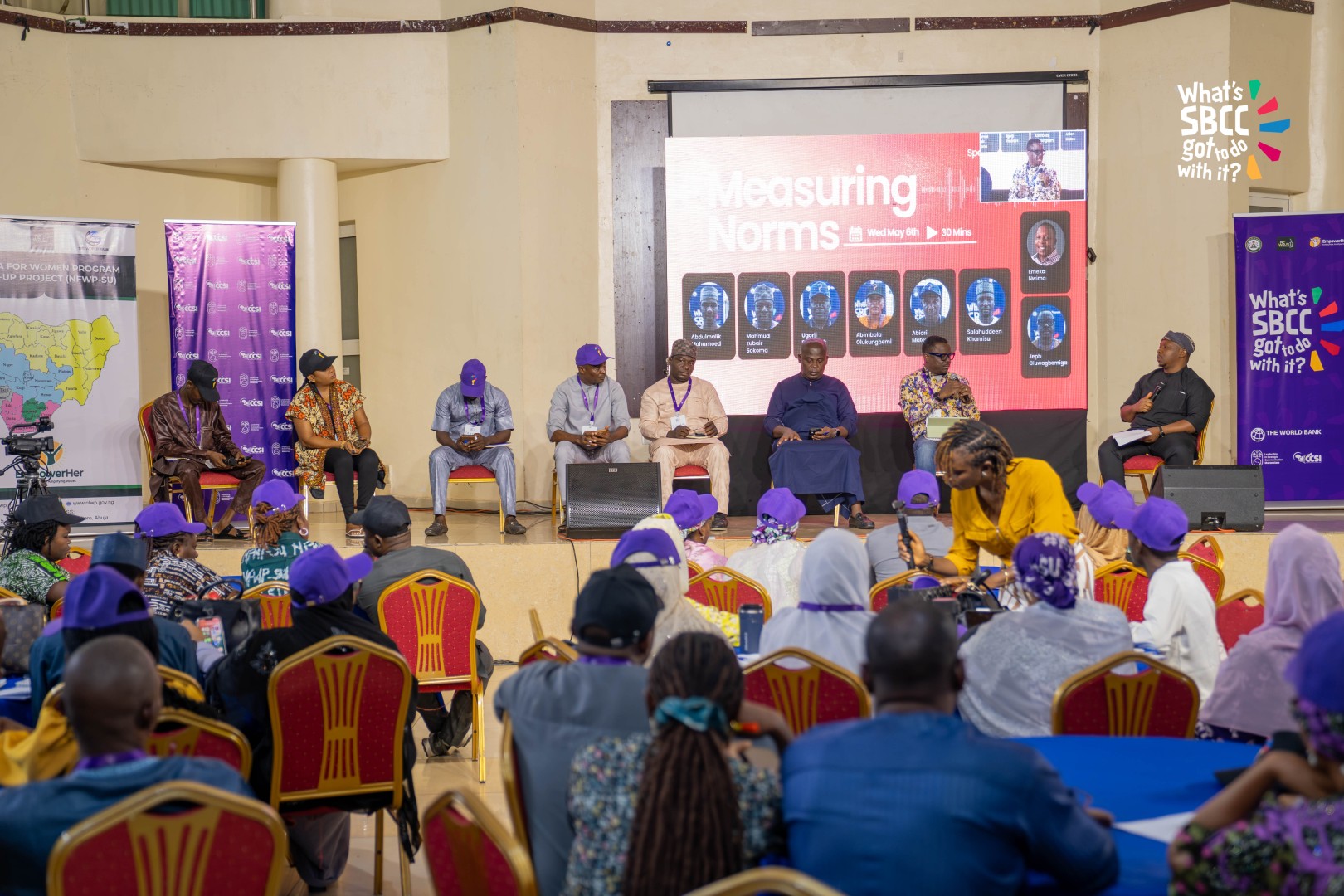
Throughout the sessions, participants developed a deeper appreciation that effective communication is not simply about delivering messages but about building relationships, fostering trust, listening with empathy, and engaging communities in meaningful dialogue. They also strengthened their understanding of audience-centred communication, campaign branding, storytelling, and strategic message design, recognizing that lasting behaviour change depends on emotional connection, authenticity, and sustained community engagement rather than one-off activities.
The workshop further reinforced that gender equality and social inclusion are not standalone activities but cross-cutting principles that should shape every stage of programme implementation. Participants reflected on practical approaches for integrating gender-responsive and inclusive communication into project planning, stakeholder engagement, community mobilization, monitoring, and documentation. By the close of the masterclass, many participants noted a shift in perspective, from viewing Social and Behaviour Change Communication as a collection of communication activities to recognizing it as a strategic process for influencing behaviours, transforming social norms, and achieving sustainable development outcomes.
For many attendees, these lessons translated into tangible personal and professional transformation. Fatimah Nana Mohammed, a Communication Officer from Niger State, described the experience as transformative, noting that the sessions moved beyond theory and introduced practical tools that could be immediately applied in the field. According to her, the training reshaped her understanding of communication by emphasizing the importance of listening, empathy, and understanding the lived realities of women within communities before attempting to influence behaviour or shift norms.
She further reflected on how previous behaviour change interventions, including radio drama and community phone-in programmes implemented during the pilot phase in Niger State, demonstrated the power of strategic communication in increasing awareness and participation among women. She also highlighted the growing visibility and inclusion of women in leadership spaces within the state, referencing the emergence of 25 women serving as Vice Chairpersons across 25 Local Government Areas in Niger State, a reflection of the increasing recognition of women’s leadership and participation in governance. For her, the experience was a powerful lesson that meaningful social change is driven not by the quantity of activities implemented, but by intentional, evidence-informed interventions that connect with communities and inspire lasting behavioural change.
As the masterclass concluded, participants also reflected on opportunities to strengthen future implementation by integrating storytelling, gender-responsive programming, inclusive communication, stakeholder engagement, and community-centred facilitation earlier in project delivery. Many acknowledged that these insights would enhance programme quality, deepen community ownership, and improve the effectiveness of interventions across the scale-up states.
As the Nigeria for Women Project Scale-Up continues to expand across more states, the knowledge, skills, and perspectives gained through the Leadership in Strategic Communications Masterclass are expected to strengthen programme implementation, foster more inclusive community engagement, and support lasting shifts in the social norms that shape the lives and opportunities of women across Nigeria. Through initiatives like this, CCSI continues to invest in people, not only by strengthening technical capacity but by cultivating leaders equipped to communicate with empathy, challenge harmful norms, and drive sustainable social change.