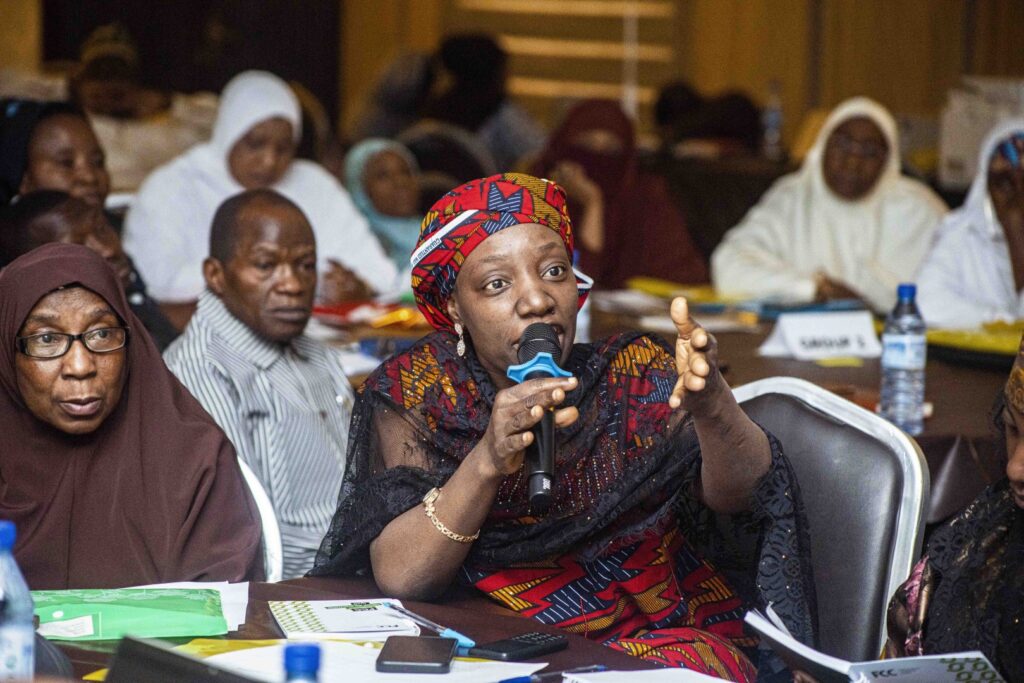
For a moment, the room was completely still.
One of the Faith and Cultural Champions (FCC) had just shared a story. A simple story, but one that carried the weight of life.
In a village somewhere in northern Nigeria, a woman went into labour. The labour became long and difficult. Hours passed, and it was clear she needed medical help. But her husband had given a strict order. No one should take his wife to the hospital.
The people around her heard the order. But they also saw the pain the woman was going through. They knew something could go wrong.
So, the community made a difficult decision. They carried the woman to a health facility anyway. They knew the husband might be angry. They knew there could be consequences. But they also knew that saving her life, and the life of the baby she carried, mattered more.
The story was shared during the convening of the FCC project held in February 2026 in Kano. In that moment, it became more than just a story. It was a reminder of why the work matters.
For the Advisory Faith and Cultural Champions (AFCCs) and the Implementing Faith and Cultural Champions (IFCCs) gathered in the room, it captured the real challenge communities face. Many people care deeply about the health of women and children. But sometimes, deep-rotted traditions, misunderstandings, or lack of information stand in the way of life-saving decisions.
Changing that reality is at the heart of the FCC project, implemented by the Centre for Communication and Social Impact (CCSI).
During the convening, religious and traditional leaders reflected on their role in guiding their communities toward safer practices for mothers and children. Over four days, they shared experiences from the field, discussed the progress made in the project, and planned the work ahead.
One voice that stood out was Sheikh Ibrahim Khaleel, Chairman of the Kano State Council of Ulama and co-chair of the Advisory Faith and Cultural Champions.
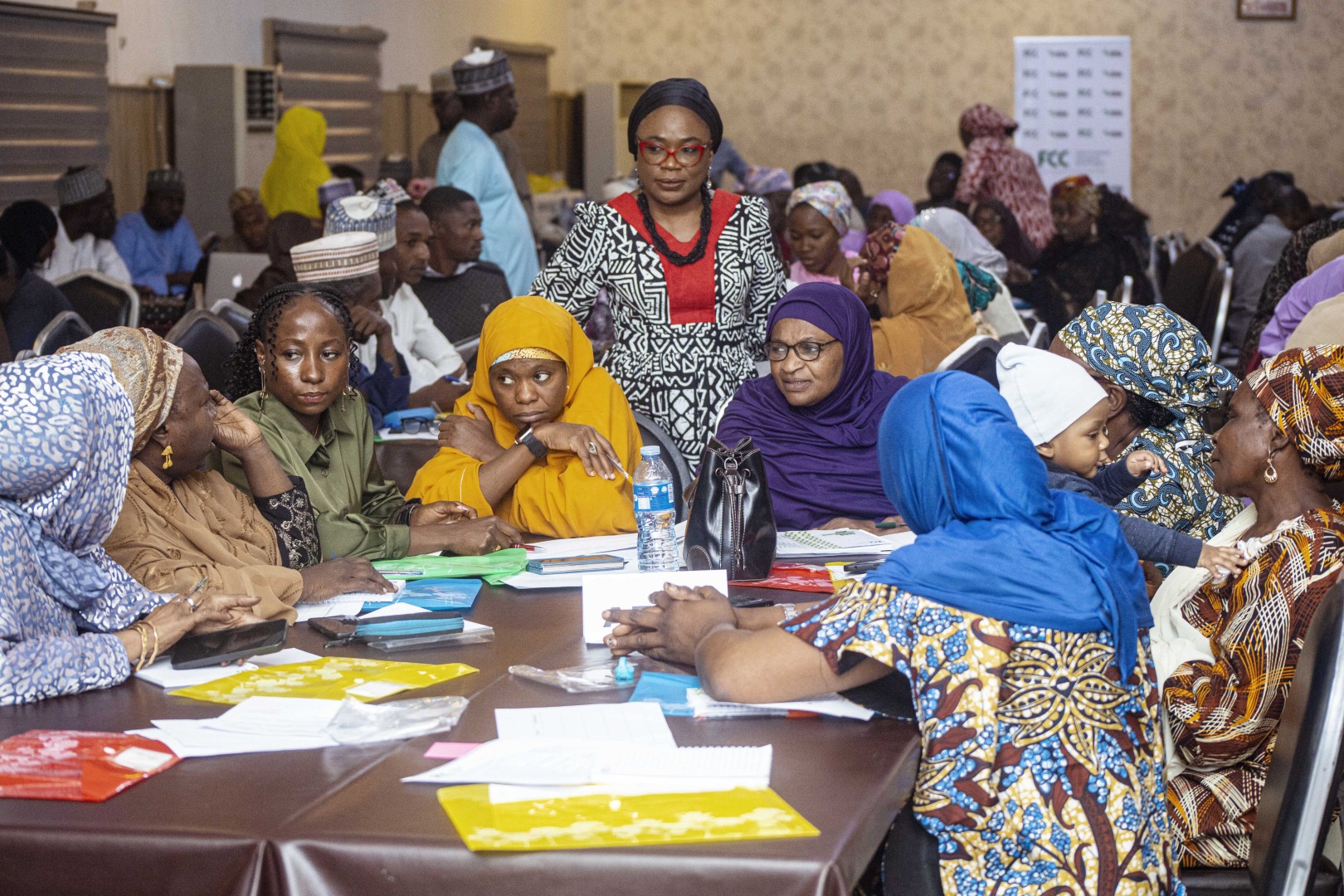
“God gave the world to the woman and women are the world. If we do not take care of their health, the world will be ruined.” He reminded everyone that protecting life is a shared responsibility. “In every religion, health workers are important,” he added. “Whether in Islam or Christianity, humanity cannot survive without health professionals. Most maternal and child deaths happen simply because people do not understand the importance of going to health facilities.”
For the champions gathered there, these conversations were not theoretical. They reflected real experiences from communities.
Some IFCCs shared stories of how they had begun to challenge long-held harmful beliefs and cultural practices. In some places, people used to say that only weak women give birth in hospitals. But through dialogue with religious and traditional leaders, those attitudes are slowly changing.
When respected leaders speak, people listen. And when the message connects faith, culture, and health, it becomes easier for communities to rethink harmful norms.
The goal of the FCC project is simple but powerful. To help families make safer choices for mothers and children.
The champions want to see more women attend antenatal care visits, prepare properly for childbirth, and deliver their babies in health facilities where skilled professionals can help if complications arise.
They also want families to understand the value of child spacing and open conversations between husbands and wives about planning their families and protecting the health of mothers.
But at the centre of it all is a mindset shift.
Babafunke Fagbemi, the Executive Director of the CCSI, explained that change requires more than one approach. “It is not a one-size-fits-all strategy,” she said. “The communities are different. What people believe, the traditions they follow, and the reasons behind their choices are not always the same. Because of this, the approach must also be thoughtful and flexible. Our work focuses on two key pillars. Shifting harmful norms and encouraging people to act. It is not enough for people to only understand the right thing to do, they must also feel supported and confident enough to act on that knowledge.”
When communities understand the benefits of antenatal care, when husbands encourage their wives to attend clinic visits, when neighbors support pregnant women instead of judging them, small shifts begin to happen. Women feel more confident seeking care. Families become more prepared for childbirth. Communities are beginning to protect their mothers. And that is why gatherings like this matter. The convening was not just about meetings and presentations. It was a space where leaders could reflect honestly on what is working and what still needs to change.
They discussed how married adolescent girls and young women can be supported to attend antenatal care. How husbands and community members can encourage women to complete the recommended visits during pregnancy. And how can communities remove the stigma that sometimes surrounds seeking medical care.
They also explored ways to promote healthy spacing between children and encourage couples to speak openly about it. Because in the end, the goal is simple. Healthier mothers. Healthier children. Stronger families. And sometimes, the change begins with something as small as a story.
Like the story of the woman in labour, and the community that chose courage over silence. For the champions in that room, it was a reminder that saving lives does not always begin in hospitals or policy documents.
Sometimes, it begins in a village. In a difficult decision. And in people choosing to stand up for life.