In many communities, change does not begin with policies or programmes. It begins with people, those who are trusted, listened to, and willing to challenge what has long been accepted.
This is the thinking behind CCSI’s Faith and Cultural Champions (FCC) project being implemented in Kano State and Kaduna State, where faith and cultural leaders are driving community-based activities and shifting harmful norms and practices that undermine the health and wellbeing of married adolescent girls and young women, particularly around maternal, newborn, and child health, and childbirth spacing.
During a recent assessment visit to Kano, our colleague, Mr Opeyemi Fayomi, who has been working closely on the FCC project, witnessed what this looks like in practice. In his reflections from the field, he shares a powerful account of one such leader, whose work continues to shape lives in her community:
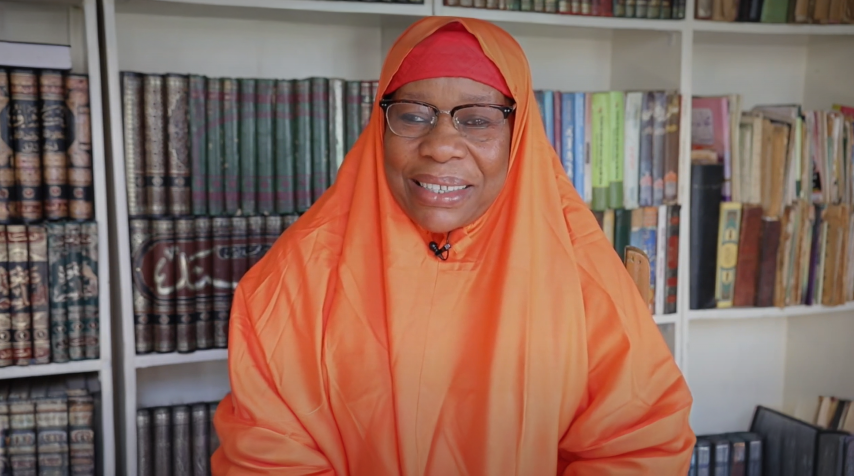
“Our assessment visit with Malama Fatima Nabulisi Baƙo MFR in Kano was nothing short of profound. She did not just participate; she embodied what we mean by TRiP (Trust, Influence, and Power).”
You could see it in her presence, hear it in her voice, and feel it in the weight of her experiences. What stood out quietly, but powerfully, was the circle around her, as her husband and children remained fully present, offering the kind of moral and emotional support that steadies someone who carries so much for others. And when her husband spoke, it was not rehearsed praise but deep, lived admiration, as he described her relentless work across the state advancing child spacing, protecting children, and standing up for girls in ways that have changed real lives.
Then she shared stories, the kind that stay with you. She told us about confronting a man who had lost seven wives because he denied them access to antenatal care. Seven lives! Yet she did not look away, instead stepping in, challenging him, and standing firm to prevent another woman from being put at risk.
She also spoke about a case she is currently involved in, a deeply disturbing situation where a 47-year-old man molested a 2-year-old girl. She showed us videos and images of the child. The room shifted in that moment. It was heavy, almost still. You could sense the burden she carries, and the courage it takes to keep showing up in spaces like that.
This is the work. Raw, difficult, necessary.
Yet, she carries it with grace.
It is no surprise that she holds the national honour of Member of the Order of the Federal Republic (MFR). If anything, moments like this make the award feel richly deserved, even understated.
Yesterday was not just an assessment.
It was a reminder of what impact really looks like when it is lived, not just spoken.”
Mr Opeyemi Fayomi is Head, Audit and Compliance, CCSI.
His reflection underscores the essence of the FCC approach: that lasting change begins when trusted voices use their influence to challenge harmful norms and redefine what is possible within their communities.