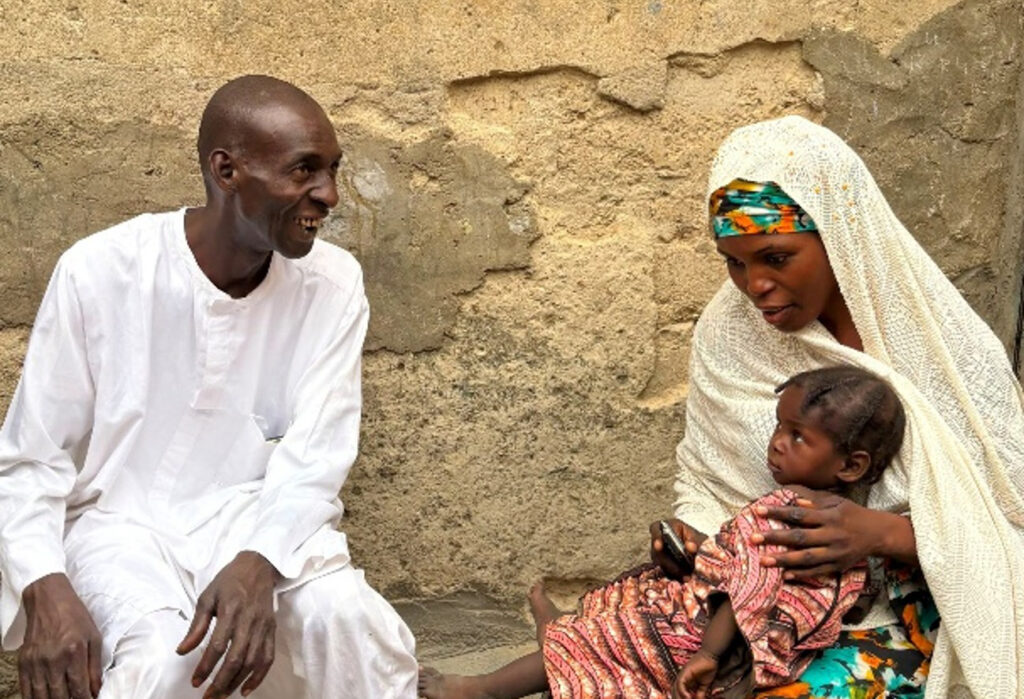
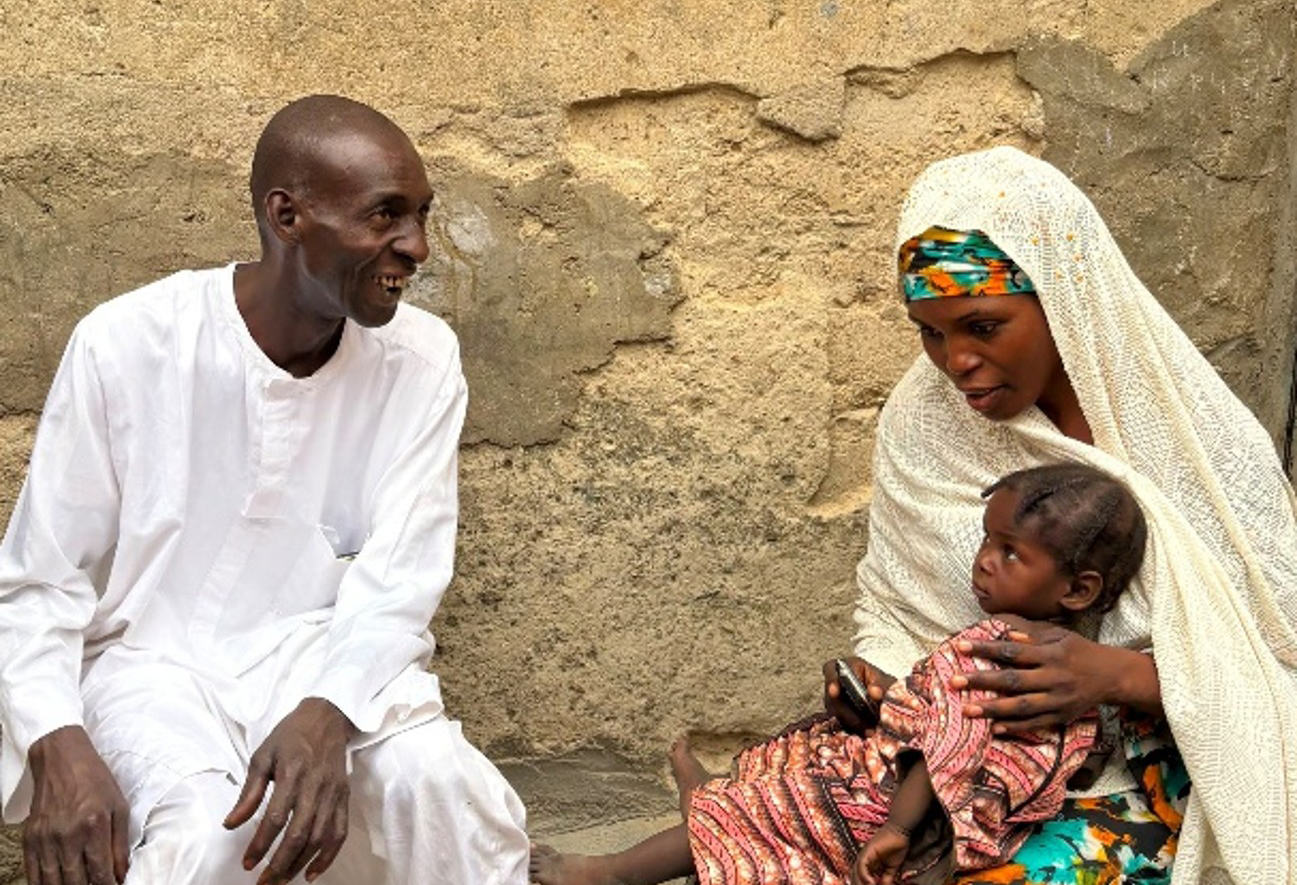
For Lawal Shuaibu, 45, from the Ladanai area of Nasarawa Local Government Area, Kano State, providing for the health and well-being of his family has always been a priority. As a father of seven, he worked hard to ensure that his family’s needs were met. However, like many couples in his community, discussions about family health and childbirth spacing were rarely held openly between spouses. Although these issues significantly affected family welfare and quality of life, they often remained unspoken.
This began to change in May 2026, when the Faith and Cultural Champions (FCC) Project, implemented by the Centre for Communications and Social Impact (CCSI), conducted an orientation for newly recruited Implementing Faith and Cultural Champions (IFCCs) and LGA Monitoring and Evaluation Assistants at the hotel where Lawal worked. What started as a routine workday soon became a turning point for his family.
A Message That Sparked Change
During the session, while doing his chores, Lawal was fascinated by the conversations; he listened closely as facilitators discussed the benefits of childbirth spacing, responsible parenthood, and the importance of open communication between spouses. The messages challenged some of his previous assumptions and encouraged him to think differently about family health decisions.
Reflecting on the experience, he shared:
“The first time I ever heard of child spacing was during the orientation by FCC at my workplace. I listened to the messages, and they really convinced me.”
Inspired by what he had learned, Lawal decided to discuss childbirth spacing with his wife, Fadhila. What he expected to be a difficult conversation turned out to be a welcome opportunity for mutual understanding, as his wife already had knowledge of childbirth spacing and had quietly wanted it, but was unsure of what her husband’s reaction would be if she suggested it.
Breaking the Silence
For Fadhila, the conversation came as both a relief and an encouragement. She had long recognized the benefits of childbirth spacing but had hesitated to raise the topic because she was uncertain about her husband’s response.
She recalled:
“I had wanted childbirth spacing for a long time, but I did not know how my husband would receive the idea. When he came home to discuss about it with me, after hearing the messages from the program, I was happy and immediately agreed to it.”
Turning Knowledge into Action
The FCC sessions not only increased knowledge but also built confidence and motivated the couple to take practical steps toward improving their family’s well-being. Following their discussion, Lawal accompanied his wife to a health facility, where they received counselling from trained healthcare providers on available childbirth spacing options. After learning about the different methods and discussing their preferences, they were able to make an informed decision and select a method that best suited their family’s needs.
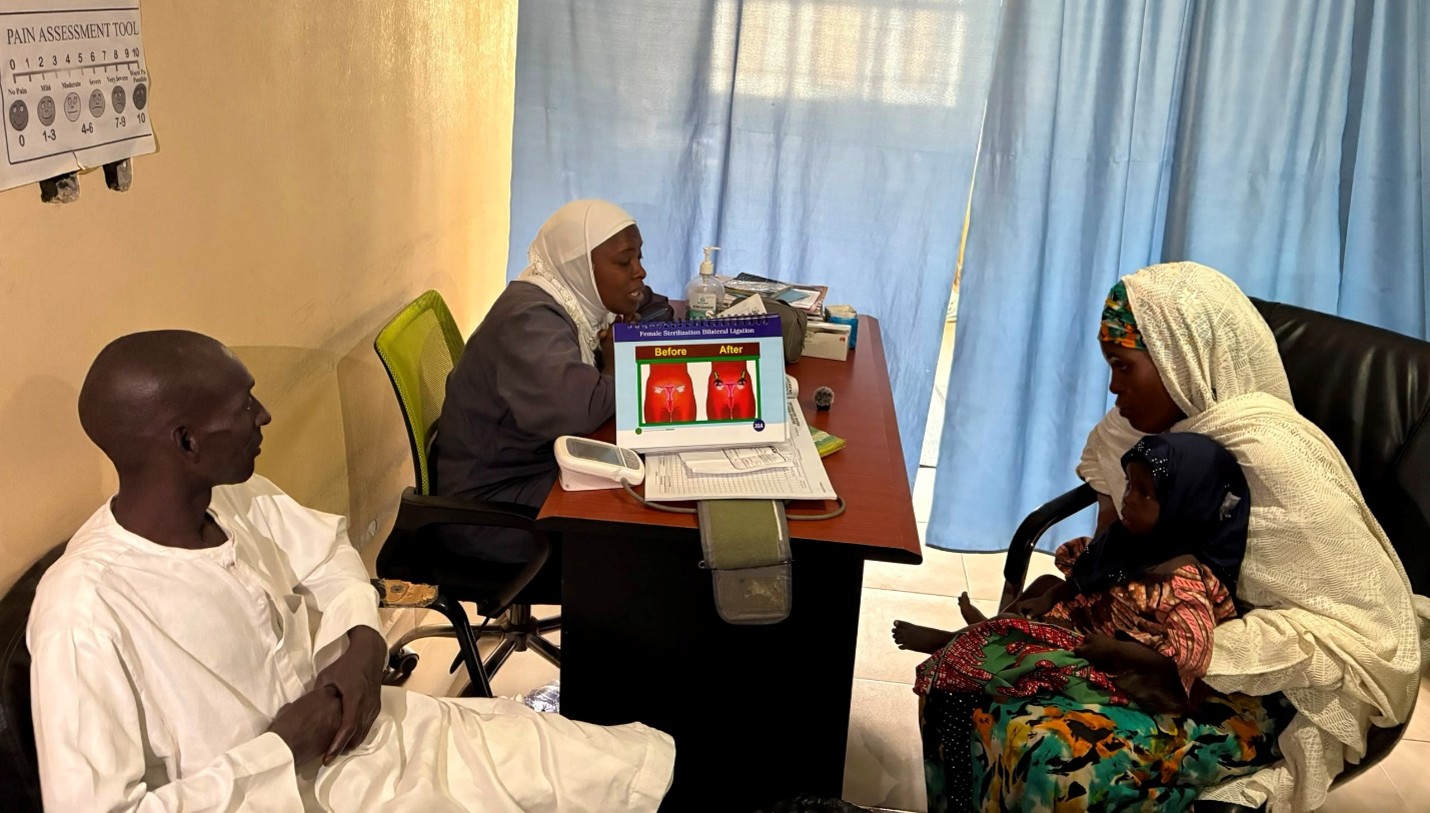
This decision was a life-changing milestone in their journey toward healthier family planning and shared decision-making.
Impact
Today, Lawal and Fadhila feel more confident in planning for the future of their family. Through community awareness efforts, the FCC Project transformed their uncertainty into understanding and knowledge into action. Today, Lawal and Fadhila are more confident in planning their family’s future and making informed decisions about their health and well-being. Through its community awareness efforts, the FCC Project helped transform their initial uncertainty into acceptance and their knowledge into meaningful action.
Fadhila expressed her appreciation, saying:
“We sincerely thank FCC for creating awareness about childbirth spacing. Because of what we learned, we went to the hospital and received the service we needed. We are very grateful.”
By creating safe opportunities for dialogue and ensuring access to accurate, reliable information, the project empowered the couple to make joint decisions that support the health and well-being of both mother and child.